Author: asadsyn182@gmail.com

  • Understanding IMRT, VMAT, and SBRT Treatment Planning

    Understanding IMRT, VMAT, and SBRT Treatment Planning

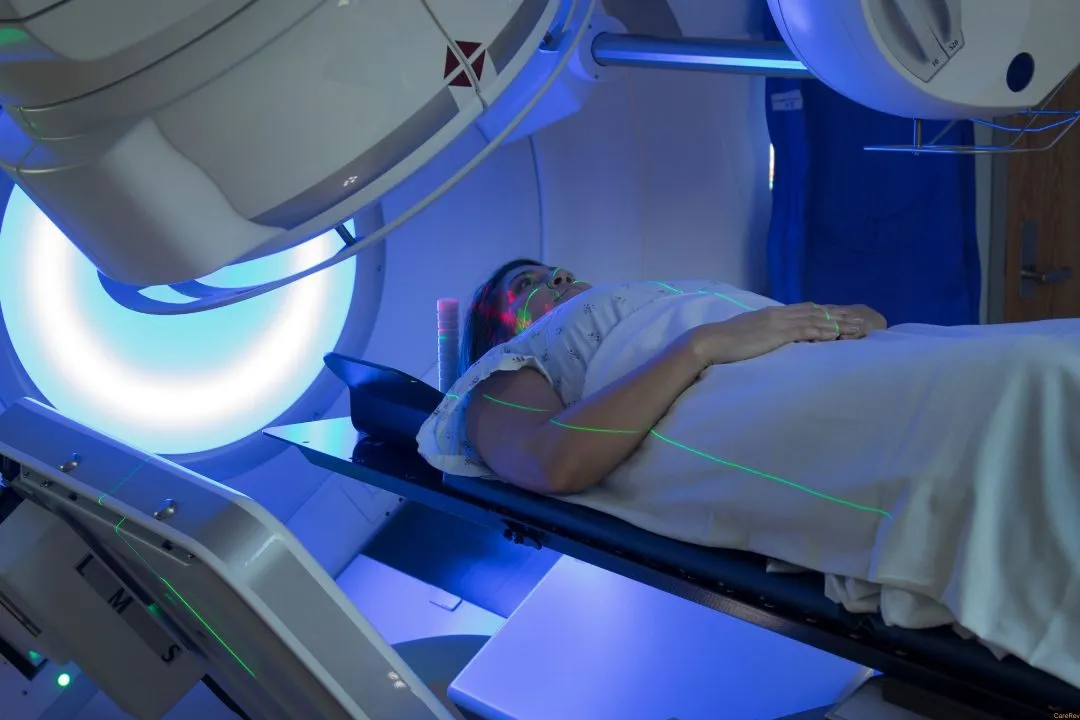
    Over the last few decades, Modern radiation oncology has evolved a lot, making cancer treatment more targeted, precise, and patient-focused. Modern techniques have greatly helped deliver accurate doses to patients while protecting surrounding healthy tissues; widely used techniques include IMRT, VMAT, and SBRT.

    Behind every patient cancer survivor is a radiation treatment that is carefully drafted by professional and experienced dosimetrists and radiation oncologists. Whether it’s a standard cancer case or a complex one, these professionals’ advanced dose optimization plays the most important role in the patient’s outcomes.

    This blog aims to help readers understand the differences among IMRT, VMAT, and SBRT, and how each of these planning processes works. Also, we will try to highlight why partnering with a skilled remote dosimetry team can support modern oncology clinics.

    Let’s Understand Radiation Therapy Treatment Planning

    Radiation therapy treatment planning is the process used to determine precise radiation doses for patients; it is specifically tailored to the patient’s anatomy, treatment goals, and tumor location. The planning process involves:

    • Calculation of Dosage Distribution
    • Reviewing Patients’ CT scans
    • Beam Arrangements Optimization
    • Contouring target volumes and organs at risk
    • Ensuring treatment accuracy and safety

    Medical dosimetrists work closely with radiation oncologists and physicists to create plans that maximize tumor coverage while minimizing radiation exposure to nearby healthy tissues.

    Different treatment techniques require different planning strategies, levels of optimization, and quality assurance processes.

    Understanding IMRT Treatment Planning

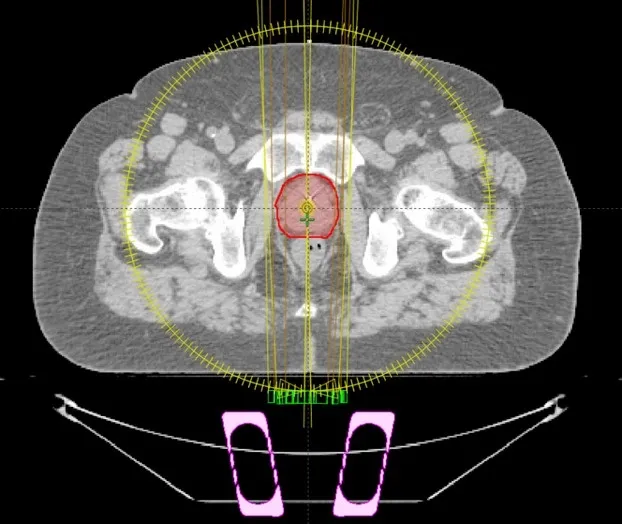
    IMRT treatment planning (Intensity-Modulated Radiation Therapy) is an advanced form of radiation therapy that uses multiple radiation beam angles with varying intensities to conform the dose closely to the shape of the tumor.

    Unlike conventional radiation techniques, IMRT allows planners to modulate beam intensity throughout treatment delivery. This provides better dose shaping and improved protection for nearby organs.

    Key Benefits of IMRT

    • Improved dose conformity
    • Reduced toxicity to healthy tissues
    • Better treatment options for complex tumors
    • Enhanced sparing of critical structures
    • Greater flexibility for head and neck, prostate, pelvic, and brain cancers

    How IMRT Planning Works

    The IMRT planning process typically includes:

    1. CT simulation and imaging review
    2. Contouring target volumes and organs at risk
    3. Beam arrangement selection
    4. Inverse planning optimization
    5. Dose calculation and evaluation
    6. Plan quality assurance

    Because IMRT involves complex optimization algorithms, treatment planning requires precision, experience, and strong understanding of dose constraints.

    Remote dosimetry teams often support clinics with IMRT workload management, adaptive planning assistance, and overflow planning services.

    What Is VMAT Planning?

    VMAT (Volumetric Modulated Arc Therapy) is an advanced radiation delivery technique that builds upon IMRT principles while improving treatment efficiency.

    A skilled VMAT planning dosimetrist creates treatment plans where the radiation machine rotates continuously around the patient while dynamically adjusting:

    • Beam intensity
    • Gantry speed
    • Multileaf collimator positions
    • Dose rate

    This allows highly conformal treatment delivery in a shorter treatment time.

    Benefits of VMAT Treatment Planning

    VMAT has become increasingly popular because it offers several clinical and operational advantages.

    Faster Treatment Delivery

    Compared to traditional IMRT, VMAT treatments are often delivered in fewer minutes, improving patient comfort and reducing motion during treatment.

    Highly Conformal Dose Distribution

    VMAT can achieve excellent target coverage while protecting nearby organs at risk.

    Improved Clinic Efficiency

    Shorter treatment sessions help radiation oncology clinics improve scheduling efficiency and patient throughput.

    Complex Case Management

    VMAT is especially beneficial for complex anatomical cases that require sophisticated dose sculpting.

    A dedicated VMAT planning dosimetrist must carefully evaluate arc arrangements, optimization priorities, collision avoidance, and dose constraints to create clinically effective plans.

    Understanding SBRT Treatment Planning

    SBRT (Stereotactic Body Radiation Therapy) is one of the most precise forms of radiation therapy available today. It delivers very high doses of radiation in a small number of fractions while maintaining sub-millimeter accuracy.

    Because SBRT uses high-dose hypofractionated treatments, planning accuracy is critical.

    Common SBRT Applications

    SBRT is commonly used for:

    • Lung tumors
    • Liver lesions
    • Spine metastases
    • Pancreatic tumors
    • Adrenal lesions
    • Oligometastatic disease

    SBRT Lung Treatment Planning

    SBRT lung treatment planning requires additional attention due to tumor motion caused by breathing.

    During planning, dosimetrists and clinicians often use:

    • 4D CT imaging
    • Motion management techniques
    • Respiratory gating
    • Image-guided radiation therapy (IGRT)
    • Tight dose gradients

    The goal is to accurately target the tumor while protecting nearby organs such as the lungs, heart, esophagus, spinal cord, and ribs.

    Because lung tumors can shift during respiration, precise target delineation and motion assessment are essential for safe treatment delivery.

    Challenges in SBRT Treatment Planning

    SBRT treatment planning is significantly more complex than conventional radiation planning due to the high dose per fraction and strict normal tissue constraints.

    Some of the major planning challenges include:

    Steep Dose Falloff Requirements

    SBRT plans must create rapid dose falloff outside the target to avoid damaging surrounding tissue.

    Motion Management

    Tumor movement must be accounted for accurately, especially in thoracic and abdominal cases.

    Small Margin Precision

    SBRT uses very tight margins, meaning even small inaccuracies can affect treatment quality.

    Advanced Quality Assurance

    Comprehensive QA procedures are required before treatment delivery.

    Because of these complexities, many clinics rely on experienced remote dosimetry support for SBRT planning assistance.

    The Role of Remote Dosimetry in Advanced Treatment Planning

    As radiation oncology departments continue to experience staffing shortages and increasing patient volumes, remote dosimetry services have become an important solution for many clinics.

    Remote dosimetrists can support:

    • IMRT treatment planning
    • VMAT optimization
    • SBRT treatment planning
    • Adaptive planning workflows
    • Treatment plan reviews
    • Coverage during vacations or staffing gaps

    An experienced remote dosimetry team helps clinics maintain consistency, improve turnaround times, and manage complex planning workloads without compromising treatment quality.

    Conclusion

    IMRT, VMAT, and SBRT have transformed modern radiation oncology by enabling more accurate and personalized cancer treatments. However, these advanced techniques require highly detailed treatment planning, technical expertise, and careful quality assurance.

    From standard IMRT treatment planning to highly specialized SBRT lung treatment planning, the role of the dosimetrist remains essential in delivering safe and effective radiation therapy.

    For oncology clinics looking to improve efficiency, manage workload demands, and maintain high planning standards, partnering with an experienced remote dosimetry provider can offer valuable clinical support in today’s rapidly evolving treatment environment.


  • Remote Radiation Therapy Planning: How the Process Works

    Remote Radiation Therapy Planning: How the Process Works

    Over the years, cancer treatment has undergone great evolution, and one of the most important advancements in modern oncology is the rise of remote radiation therapy planning. With growing patient volume, radiation oncology clinics are struggling to offer timely patient care, staff are overworked, and advanced treatment accuracy is being compromised. In these challenging times, Remote Dosimetrist is offering much-needed support in treatment planning operations without compromising on quality and compliance.

    Today, medical facilities no longer rely only on physical dosimetrists to create precise radiation treatment plans. Through advanced technology, such as cloud-based access, digital systems, and collaborative planning platforms, clinics get professional support and high-quality planning services remotely while remaining fully integrated with the clinical team.

    In this blog, we will explain how remote treatment planning works, why it has become an important part of modern radiation oncology, and how remote dosimetrists help clinics maintain efficiency and continuity of care.

    Let’s Understand How Remote Radiation Therapy Planning Works

    Remote radiation therapy planning refers to the process of creating radiation treatment plans from an off-site location using secure oncology software systems and hospital-approved remote access technology.

    A certified medical dosimetrist remotely collaborates with radiation oncologists, medical physicists, and therapists to design customized treatment plans for cancer patients. These plans are carefully developed to deliver accurate radiation doses to tumors while minimizing exposure to surrounding healthy tissue.

    The planning process itself remains clinically identical to traditional in-house planning. The primary difference is that the dosimetrist performs the work remotely rather than inside the clinic or hospital facility.

    Remote workflows are commonly used for:

    • IMRT planning
    • VMAT planning
    • SBRT and SRS planning
    • Adaptive radiation therapy support
    • Re-planning cases
    • Overflow treatment planning
    • Vacation or staffing coverage
    • Multi-site oncology network support

    As healthcare systems continue expanding across regions, remote support allows clinics to access skilled planning professionals without geographic limitations.

    Let’s Understand Why Clinics Are Moving Toward Remote Treatment Planning

    We see how radiation oncology departments in most of the cities are facing similar challenges with staff shortage, high patient volume, increased demand for faster turnaround times, and more. All these challenges cannot be overcome with in-house available facilities, especially for smaller cancer centers.

    This is where remote treatment planning bridges the gap and provides practical and scalable solutions.

    Remote planning services help clinics:

    • Reduce clinic treatment planning loads
    • Offers urgent support with extra hours
    • Provide operational flexibility
    • Maintain uninterrupted workflow during staffing gaps
    • Access specialized planning expertise
    • Expand planning capacity without increasing facility overhead

    Many clinics also benefit from faster turnaround times because remote dosimetrists can provide focused planning support without on-site interruptions.

    Let’s Understand How Remote Radiation Therapy Planning Works

    Although the workflow may vary slightly between clinics, most remote planning processes follow a structured and secure approach.

    1. Patient Simulation and Imaging

    The process begins at the radiation oncology clinic where the patient undergoes CT simulation imaging. Depending on the treatment case, additional imaging such as MRI or PET scans may also be included.

    The imaging data is uploaded into the clinic’s treatment planning system.

    At this stage, the radiation oncologist defines:

    • Tumor targets
    • Treatment intent
    • Organs at risk
    • Prescription dose
    • Clinical objectives

    Once the case is prepared, the remote dosimetrist gains secure access to the planning system.

    2. Secure Remote Access to Planning Systems

    Security and patient privacy are critical in radiation oncology. Remote dosimetrists typically access systems through HIPAA-compliant remote connections, VPNs, encrypted cloud platforms, or secure virtual desktops approved by the clinic or healthcare organization.

    Remote professionals may work within systems such as:

    • Eclipse
    • RayStation
    • Pinnacle
    • Monaco
    • Velocity
    • ARIA
    • Mosaiq

    These platforms allow the dosimetrist to work directly within the clinic’s environment while maintaining data security and workflow consistency.

    3. Treatment Plan Development

    Once access is established, the remote dosimetrist begins creating the treatment plan.

    This includes:

    • Contour review support
    • Beam arrangement
    • Dose optimization
    • Organ-at-risk sparing
    • Plan normalization
    • Dose constraint evaluation
    • Image fusion support
    • Plan quality checks

    The dosimetrist carefully balances tumor coverage with normal tissue protection to create an optimized treatment plan that aligns with physician directives.

    Advanced planning techniques such as IMRT and VMAT require extensive optimization and precision, making experienced dosimetry support especially valuable.

    4. Collaboration With the Clinical Team

    Even though the dosimetrist works remotely, collaboration remains continuous throughout the process.

    Remote planners regularly communicate with:

    • Radiation oncologists
    • Medical physicists
    • Radiation therapists
    • Clinical coordinators

    Communication may occur through:

    • Secure messaging systems
    • Video conferencing
    • Phone consultations
    • Oncology workflow platforms
    • Shared treatment planning notes

    If plan revisions are needed, updates can often be completed quickly without disrupting the clinic workflow.

    Strong communication is one of the most important components of successful remote radiation therapy planning.

    5. Plan Review and Quality Assurance

    After the treatment plan is completed, it undergoes physician review and physics quality assurance.

    The medical physicist evaluates factors such as:

    • Dose accuracy
    • Machine deliverability
    • Treatment safety
    • Plan integrity
    • Compliance with protocols

    The radiation oncologist then approves the final treatment plan before patient treatment begins.

    Remote dosimetrists remain available during this stage to make modifications or adjustments if necessary.

    6. Treatment Delivery

    Once approved, the finalized plan is transferred to the treatment delivery system at the clinic.

    Radiation therapists administer the treatment according to the approved plan while the oncology team continues monitoring patient progress throughout the treatment course.

    Although the planning work was completed remotely, patient care remains fully integrated within the clinic’s clinical framework.

    Let’s Understand the Benefits of Remote Radiation Therapy Planning

    The growing demand for remote treatment planning among clinics is driven by several benefits, some of which are;

    Staff Flexibility

    When clinics are facing challenges with staff shortages, for different reasons such as recruitment delays, staff leaves, or more, in these times, remote dosimetrist work is the best choice.

    Quick Treatment Turnaround

    These remote support clinics help plan blockages and help them improve their scheduling with efficiency.

    Access to Specialized Expertise

    Remote services allow clinics to work with experienced dosimetrists who may have advanced expertise in complex treatment techniques.

    Reduced Operational Burden

    Remote planning can lower overhead associated with in-house staffing while maintaining consistent treatment quality.

    Continuity of Care

    Remote workflows help prevent disruptions caused by staffing shortages or unexpected absences.

    Let’s Understand if Remote Treatment Planning is the Future of Radiation Oncology

    The shift toward hybrid and remote healthcare models continues to influence nearly every area of medicine, including radiation oncology.

    As planning systems become more advanced and secure digital infrastructure improves, remote collaboration is becoming increasingly common across cancer treatment centers.

    Many clinics now view remote radiation therapy planning not simply as temporary staffing support, but as a long-term operational strategy that improves efficiency, scalability, and access to expertise.

    For oncology centers seeking flexible planning solutions while maintaining high clinical standards, remote dosimetry support has become an essential part of modern cancer care.

    Final Thoughts

    Remote radiation therapy planning allows oncology clinics to maintain efficient, accurate, and collaborative treatment planning workflows regardless of physical location. Through secure systems, continuous communication, and experienced dosimetry support, clinics can deliver high-quality patient care while improving operational flexibility.

    As the demand for advanced cancer treatment continues growing, remote treatment planning will likely play an even larger role in supporting radiation oncology teams across the healthcare industry.

  • How a Remote Dosimetrist Supports Modern Radiation Oncology Clinics

    How a Remote Dosimetrist Supports Modern Radiation Oncology Clinics

    Over the last few decades, we have seen a rapid evolution in Radiation Oncology. Healthcare Facilities are facing increased pressure to maintain both efficiency and precision across all challenges, such as managing growing patient volume and short treatment timelines, while updating advanced treatment planning systems. All these challenges increase the demand for healthcare staff, but sadly, the clinics are failing to meet the demand due to staff shortages, scheduling limitations, and increased operational demands. This is where a remote dosimetrist plays a vital role in the modern radiation oncology workflow.

    A remote dosimetry model facilitates clinics with experienced hands, such as medical dosimetrists and radiation treatment planning specialists, that too without any limitations of geographic location. These specialists help clinics to optimize their workflow and treatment planning support, and remote services help oncology teams maintain continuity of care while improving operational flexibility. Today, most of the clinics are planning too or already have  integrated a radiation oncology dosimetrist remote solution to enhance workflow, reduce delays, strengthen planning capacity, and support high-quality patient treatment.

    Increasing Demand for Remote Dosimetry Services

    Radiation therapy planning requires efficiency, expertise, accuracy, and collaboration. These medical dosimetrists is based on a team of radiation oncologists, physicists, and therapists to create treatment plans that maximize tumor targeting while protecting healthy tissue.

    However, many clinics experience challenges such as:

    • Shortage of Staff
    • Vacation/Leave Coverage Gaps
    • Increased Patient Volume
    • Delayed treatment planning timelines
    • Difficulty recruiting experienced dosimetrists locally

    Remote dosimetry provides practical solutions for all these clinics who because of multiple issues cannot overcome these challenges alone. Instead of relying solely on in-house staffing, clinics can integrate remote professionals into their existing workflow. A skilled remote dosimetrist can support planning operations while maintaining the same level of communication and clinical precision expected in a traditional environment.

    This approach allows clinics to remain productive without compromising treatment quality or patient care timelines.

    What Solutions Does a Remote Dosimetrist Provide?

    A remote dosimetrist works no less than a on-site medical dosimetrist when it comes to performing responsibilities. Using secure systems and advanced planning software, they collaborate with oncology teams remotely to assist with treatment planning and clinical workflow management.

    Core responsibilities often include:

    • Creating Radiation Treatment plans for Patients
    • Optimizing Patients Dose Distribution
    • Reviewing imaging and physician contours
    • Maintaining compliance and planning accuracy
    • Supporting IMRT, VMAT, SBRT, and other advanced planning techniques
    • Assisting with plan revisions and adaptive workflows
    • Coordinating with physicians and physicists

    Modern cloud-based systems and secure remote access technologies make it possible for remote professionals to work efficiently within a clinic’s infrastructure. This allows seamless communication and timely plan delivery without requiring physical presence in the department.

    How a Radiation Oncology Dosimetrist Remote Model Improves Clinic Efficiency

    One of the biggest advantages of a radiation oncology dosimetrist remote service is improved operational flexibility. Clinics can scale planning support based on workload demands without overextending internal staff.

    Faster Treatment Planning Turnaround

    Treatment delays can impact both patient experience and departmental efficiency. Remote dosimetrists help reduce bottlenecks by expanding planning capacity during busy periods.

    This support can be especially valuable when:

    • Patient volumes increase unexpectedly
    • Staff members are unavailable
    • Clinics are opening additional treatment slots
    • Complex cases require additional planning attention

    By distributing workload more effectively, clinics can maintain consistent turnaround times and improve scheduling coordination.

    Reduced Burnout for Internal Teams

    Radiation oncology professionals often work in high-pressure environments. Excessive workloads can contribute to stress and burnout among dosimetry staff.

    Remote support helps balance planning responsibilities and reduces pressure on internal teams. Instead of overloading in-house personnel, clinics can use remote planning services to maintain sustainable workflows and improve staff support.

    Access to Specialized Expertise

    Some treatment cases require advanced planning experience. A remote dosimetrist may bring expertise in specialized techniques, systems, or complex treatment approaches that are not always available locally.

    This added flexibility allows clinics to strengthen planning quality while gaining access to broader clinical experience.

    Planning Support Oncology Clinics Can Rely On

    Reliable planning support oncology services are critical for maintaining workflow continuity in radiation treatment departments. Modern oncology clinics require planning systems that are responsive, scalable, and clinically accurate.

    Remote dosimetry services can provide support in areas such as:

    • Daily treatment planning
    • Overflow case management
    • Vacation and leave coverage
    • New clinic startup assistance
    • Temporary staffing support
    • Long-term operational collaboration

    Because remote professionals integrate directly into clinical workflows, communication remains streamlined between physicians, physicists, therapists, and planners.

    For many clinics, this support model creates greater consistency in patient care while helping departments adapt to changing operational demands.

    Why Clinics Are Adopting Remote Dosimetry Solutions

    Healthcare organizations are increasingly recognizing the value of flexible clinical support models. Remote dosimetry offers practical advantages that align with the needs of modern oncology departments.

    Benefits may include:

    • Increased workflow flexibility
    • Improved treatment planning efficiency
    • Access to experienced professionals
    • Reduced staffing pressure
    • Better resource allocation
    • Enhanced scalability during growth periods

    As radiation oncology continues to evolve, remote planning support is becoming an important component of sustainable clinic operations.

    Conclusion

    The role of the remote dosimetrist has become increasingly important in today’s radiation oncology environment. Clinics are managing growing patient demands, staffing challenges, and increasingly advanced treatment techniques, all while maintaining strict quality standards.

    A radiation oncology dosimetrist remote solution helps clinics improve efficiency, maintain continuity, and strengthen treatment planning workflows. With dependable planning support oncology services, healthcare providers can better adapt to operational demands while continuing to deliver accurate and timely patient care.

    For modern radiation oncology clinics seeking flexibility, expertise, and scalable planning support, remote dosimetry services offer a practical and forward-thinking solution.