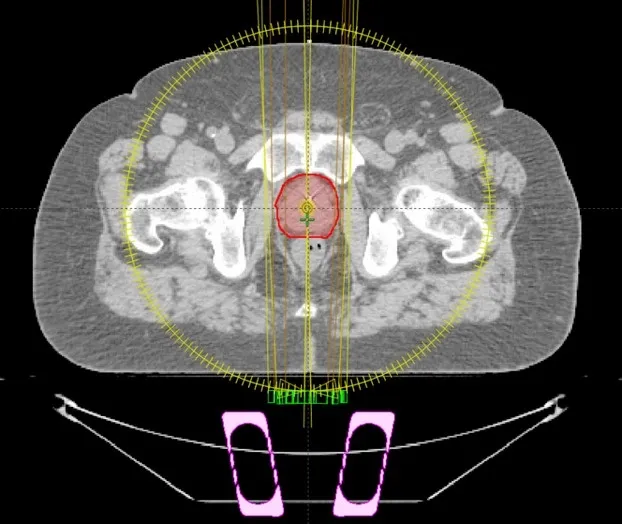
In modern cancer care, speed and accuracy are equally important. Delays in treatment planning can affect patient satisfaction, clinic efficiency, and overall outcomes. As oncology centers face increasing patient volumes and workforce shortages, many are adopting remote treatment planning to streamline operations without compromising quality.
By leveraging experienced dosimetrists and treatment planners working remotely, oncology clinics can reduce bottlenecks, improve turnaround times, and maintain consistent treatment standards. This approach has become a practical solution for healthcare providers seeking operational flexibility while delivering timely patient care.
What Is Remote Treatment Planning?
Remote treatment planning is the process of creating radiation therapy treatment plans from an off-site location using secure, HIPAA-compliant systems and cloud-based connectivity. Certified medical dosimetrists and radiation therapy professionals collaborate with oncologists and medical physicists without being physically present at the treatment facility.
This model enables clinics to access experienced planning professionals regardless of geographic location, helping them maintain continuity of care even during staffing shortages or periods of high patient demand.
Today, remote radiation therapy planning supports a wide range of treatment techniques, including:
- IMRT (Intensity-Modulated Radiation Therapy)
- VMAT (Volumetric Modulated Arc Therapy)
- SBRT (Stereotactic Body Radiation Therapy)
- SRS (Stereotactic Radiosurgery)
- 3D Conformal Radiation Therapy
With secure digital workflows, treatment plans can be reviewed, revised, and approved efficiently while maintaining strict quality assurance standards.
Why Turnaround Time Matters in Oncology
Radiation therapy often follows a carefully coordinated treatment schedule. Any delay in planning can postpone treatment initiation, increase patient anxiety, and disrupt clinic workflows.
Several factors commonly slow planning timelines, including:
- Limited availability of certified dosimetrists
- High patient volumes
- Staff vacations or unexpected absences
- Complex treatment cases requiring additional expertise
- Ongoing recruitment challenges
Reducing these delays helps oncology clinics deliver care more efficiently while improving the patient experience.
How Remote Treatment Planning Improves Turnaround Time
1. Expands Access to Experienced Planning Professionals
One of the biggest advantages of remote treatment planning is immediate access to a larger pool of qualified dosimetrists. Instead of relying solely on local staffing, clinics can collaborate with experienced professionals across different regions.
This flexibility allows clinics to distribute workloads more effectively, preventing planning backlogs during busy periods.
2. Provides Faster Coverage During Staffing Shortages
Finding experienced dosimetrists can be challenging, particularly in smaller communities or rural healthcare facilities. Recruitment often takes months, leaving existing staff under increased pressure.
Planning support oncology services help fill these gaps by providing temporary or ongoing planning assistance without interrupting patient care. Clinics can continue meeting treatment schedules while searching for permanent staff.
3. Supports Extended Workflow Hours
Traditional treatment planning is limited by local office hours. Remote teams operating across different time zones can continue planning beyond standard clinic schedules.
This extended coverage means cases can be prepared overnight or during weekends, allowing physicians to review plans sooner and reducing overall turnaround time.
For busy oncology departments, even a single day saved in planning can significantly improve scheduling efficiency.
4. Reduces Planning Bottlenecks
Treatment planning often becomes the busiest stage between simulation and treatment delivery. When several complex cases arrive simultaneously, in-house teams may struggle to keep pace.
Remote radiation therapy planning allows clinics to distribute workloads across multiple experienced planners, ensuring cases progress without unnecessary delays. Instead of waiting for internal availability, plans move forward as soon as qualified resources are available.
5. Improves Flexibility During Patient Volume Surges
Patient volumes rarely remain consistent throughout the year. Seasonal increases, physician referrals, or new treatment programs can temporarily overwhelm planning departments.
Rather than hiring additional full-time staff for short-term demand, clinics can scale planning support oncology services as needed. This flexibility keeps planning timelines consistent without increasing long-term staffing costs.
Maintaining Quality While Improving Speed
Faster turnaround should never compromise patient safety. Reputable providers of remote treatment planning follow rigorous quality assurance protocols designed to meet clinical and regulatory standards.
These typically include:
- Standardized planning procedures
- Peer review and physician collaboration
- Secure data transfer and HIPAA-compliant systems
- Medical physicist quality checks
- Documentation aligned with clinic protocols
Remote planners work as an extension of the clinical team, ensuring every treatment plan receives appropriate review before patient treatment begins.
Additional Benefits Beyond Faster Turnaround
While improved efficiency is a major advantage, remote radiation therapy planning offers several long-term operational benefits.
Improved Staff Satisfaction
Heavy workloads contribute to burnout among dosimetrists and clinical staff. Sharing planning responsibilities with remote professionals helps reduce overtime and supports healthier work-life balance.
Better Resource Utilization
Instead of maintaining excess staffing capacity for occasional demand spikes, clinics can use remote planning resources only when needed, making staffing more cost-effective.
Access to Specialized Expertise
Some cancer cases require advanced planning experience that may not always be available in-house. Remote planning partners often include specialists with expertise across multiple treatment techniques and complex disease sites.
Greater Business Continuity
Unexpected events such as illness, severe weather, or local emergencies can disrupt on-site operations. Remote planning teams help ensure treatment planning continues without interruption, supporting consistent patient care.
Choosing the Right Planning Support Oncology Partner
Not all remote planning providers offer the same level of experience or clinical integration. Oncology clinics should evaluate partners based on:
- Certified and experienced medical dosimetrists
- Expertise with multiple treatment planning systems
- Familiarity with advanced radiation therapy techniques
- HIPAA-compliant security protocols
- Responsive communication with physicians and physicists
- Reliable turnaround commitments
- Proven quality assurance processes
Selecting an experienced provider helps ensure efficient collaboration while maintaining high clinical standards.
Conclusion
As cancer centers continue facing increasing patient demand and workforce challenges, remote treatment planning has become a valuable solution for improving efficiency without sacrificing quality. By expanding access to experienced dosimetrists, reducing planning bottlenecks, and providing flexible planning support oncology, clinics can significantly improve turnaround times and maintain uninterrupted patient care.
For healthcare organizations seeking greater operational flexibility, remote radiation therapy planning offers a practical way to optimize workflows, support clinical teams, and deliver timely, high-quality treatment to every patient.